
Nvidia’s SchedMD Deal Sparks Open-Source Concerns

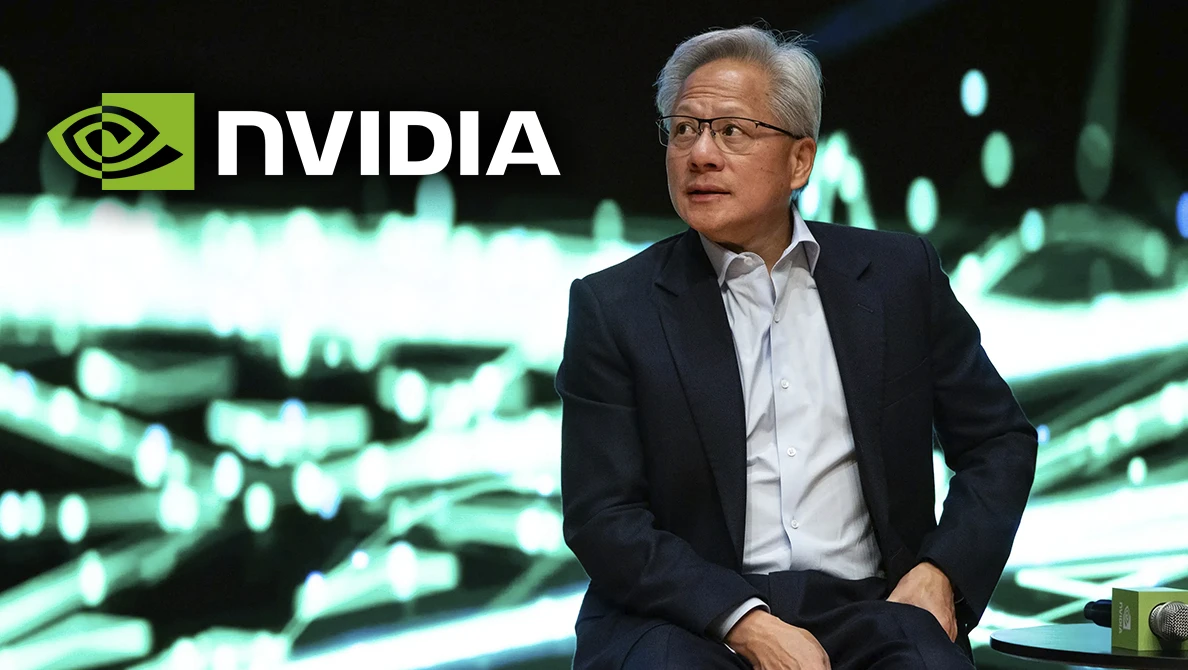
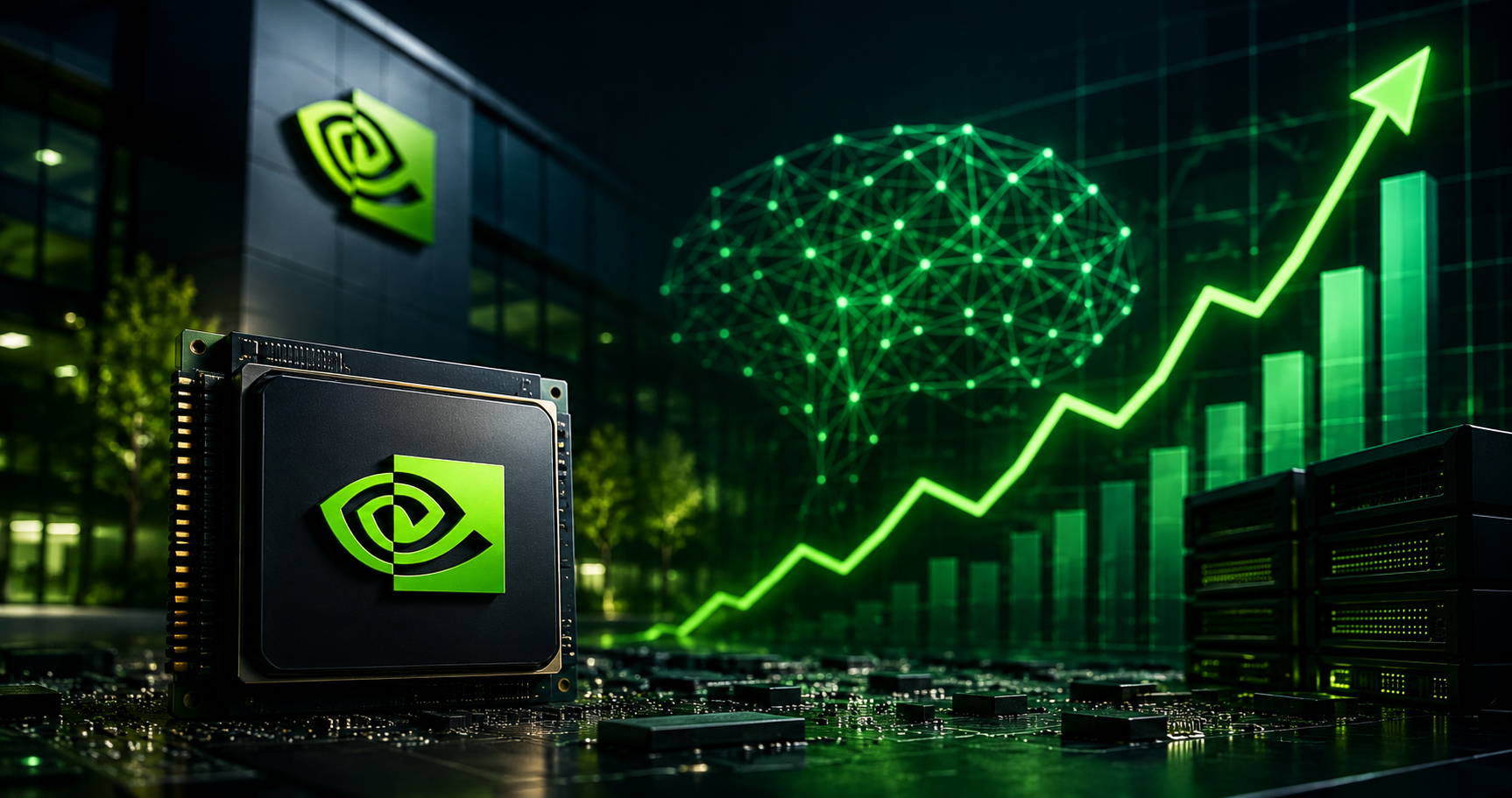
Nvidia’s acquisition of SchedMD has triggered an unexpectedly sharp debate in the AI and supercomputing world. The deal, announced in December 2025, gives Nvidia control of SchedMD’s Slurm workload manager, an open-source tool widely used to schedule computing jobs across high-performance systems and AI clusters. Nvidia said at the time that Slurm would remain open source and vendor-neutral, and that the company wanted to strengthen the open-source ecosystem rather than close it off.
The concern is not really about whether Slurm will disappear. It is about influence. Reuters reported this week that some engineers and executives fear Nvidia could quietly shape updates in ways that favor its own chips over rivals such as AMD and Intel. That worry matters because Slurm sits deep in the infrastructure stack, where software decisions can have a long-term effect on who gets better performance, easier access, and more support. In other words, this is less about a single product and more about control over a layer that many AI systems depend on.
That makes the acquisition more sensitive than a typical software purchase. SchedMD says Slurm powers about 60% of supercomputers worldwide, and Reuters noted that the software is used in environments ranging from AI training to government research systems. Those systems are not just important for commercial model building; they also support weather forecasting and nuclear research. When software like that changes ownership, even a small shift in priorities can attract a lot of attention.
Nvidia has tried to calm those fears. In its announcement, the company said it would keep Slurm open source and continue supporting the broader community. It framed the deal as part of a wider push to expand open-source AI tools and make advanced computing more accessible to researchers, developers, and enterprises. That message fits Nvidia’s broader strategy, which has increasingly mixed proprietary hardware leadership with a louder public commitment to open software.
Still, trust is the real test here. Critics point to Nvidia’s earlier purchase of Bright Computing as a reason to stay cautious, since some users later felt the product ecosystem leaned too heavily toward Nvidia hardware. Reuters said that history is one reason some in the industry are watching this deal closely. If Slurm keeps working well across different chip vendors, Nvidia could win credit for supporting a truly open system. If support or performance starts to feel uneven, the backlash could be immediate.
For now, the SchedMD acquisition is less a finished story than an early warning sign. It shows how the AI race is moving far beyond chips and chatbots into the control layers underneath them. Whoever shapes those layers can shape the market itself. That is why a purchase that looked niche on paper has turned into a much bigger discussion about openness, competition, and whether the infrastructure of AI can stay genuinely neutral as the industry consolidates.