OpenAI Launches ChatGPT Images 2.0

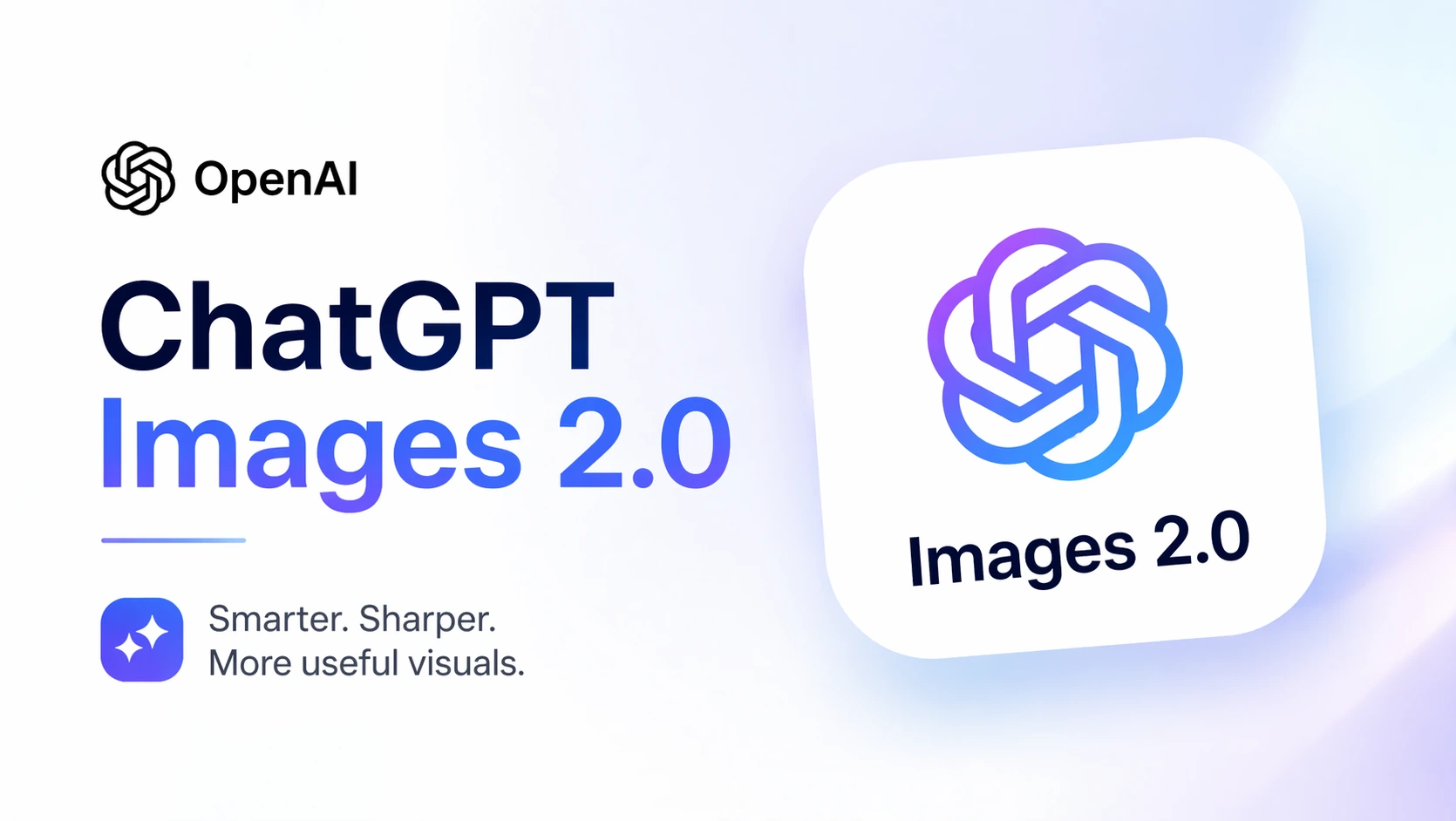
OpenAI has introduced ChatGPT Images 2.0, a new image generation model that points to a bigger shift in how AI visuals are being created and used. The company says the updated model improves text rendering, multilingual output, instruction following, and the ability to handle more detailed and complex image requests. In plain terms, that means users can ask for visuals with denser layouts, more readable text, and tighter control over what appears in the final result.
The launch matters because image generation has often looked impressive at first glance but struggled in areas that actually matter for regular use. Posters with unreadable text, messy layouts, broken details, and inconsistent outputs have been common across many AI image tools. OpenAI is clearly positioning ChatGPT Images 2.0 as an answer to those frustrations. In its announcement, the company highlighted stronger typography, improved visual fidelity across styles, better multilingual handling, and more reliable performance on complex instructions.
OpenAI has also made the rollout broader than some people may have expected. According to the ChatGPT release notes, ChatGPT Images 2.0 is available across all ChatGPT plans. At the same time, the company is introducing “images with thinking,” a feature that gives the system more time to plan and refine outputs before generating them. That part is available on paid ChatGPT plans when using Thinking and Pro models.
Why this launch stands out
What makes this update worth paying attention to is not just that the images may look better. It is that OpenAI is framing the model as more useful for real work. The examples shown by the company lean heavily into design-heavy and text-heavy tasks, including posters, editorial layouts, educational graphics, multilingual materials, character sheets, brochures, and print-ready assets. That suggests OpenAI wants the model to be seen as more than a tool for visual experiments or viral social posts. It wants it to be part of everyday creative and commercial workflows.
That is a meaningful change in tone. For a long time, AI image tools have been judged mainly on style, realism, or how dramatic the outputs looked in side-by-side comparisons. But for marketers, content teams, founders, and designers, usefulness often matters more than visual spectacle. A model that can place readable text, follow a layout brief, and produce something closer to a usable first draft may have more real business value than one that simply creates striking art. Based on OpenAI’s launch materials, ChatGPT Images 2.0 is being presented as a step in that direction.
The timing is also notable. OpenAI’s community announcement said the related API model, gpt-image-2, is now available as well, which means the update is not limited to casual users inside ChatGPT. Developers and product teams can also start building around it. That broadens the significance of the release from a consumer feature update to something that could shape product experiences, creative tools, and automated content workflows.
The bigger picture is simple: AI image generation is moving from novelty toward utility. OpenAI’s latest release suggests the next phase of competition will not be won only by who makes the prettiest image. It will also depend on who can produce visuals that are clearer, more controllable, and more immediately usable. ChatGPT Images 2.0 appears designed to push in exactly that direction.