
Trump Faces State Pushback Over Health Insurance and AI Policies

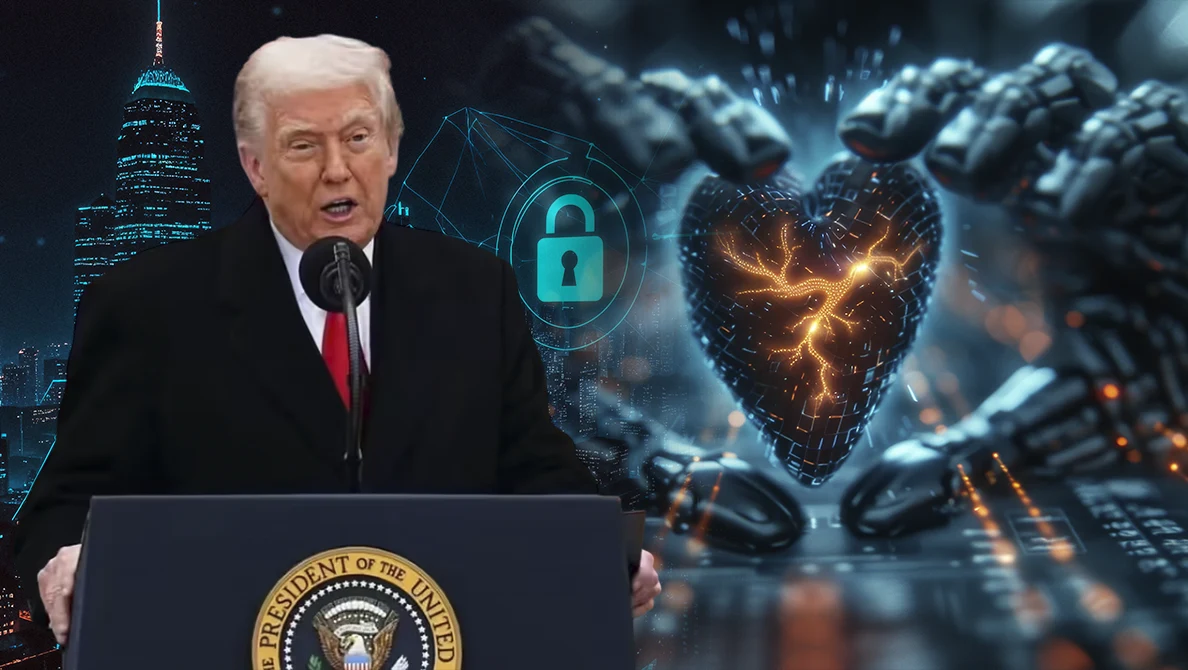
How should health insurers use AI? It is the rare policy question that both the Republican Gov. Ron DeSantis of Florida and the Democratic-controlled government of Maryland agree with the president, Donald Trump, and the Republican governor, Gavin Newsom of California, over.
Which are the particular AI applications that the insurers employ during claim decisions?
The concept of regulating artificial intelligence, in particular its application by health insurers, is a highly politicised debate, and it is tearing up some of the traditional political fencing lines.
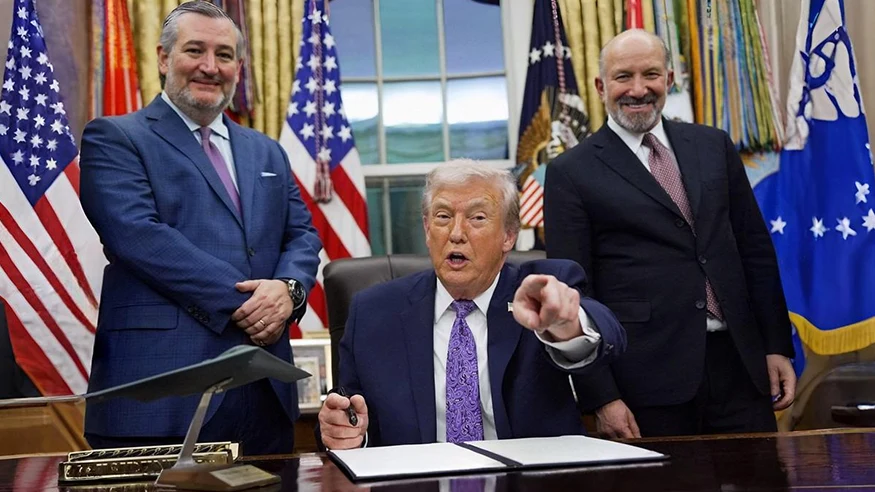
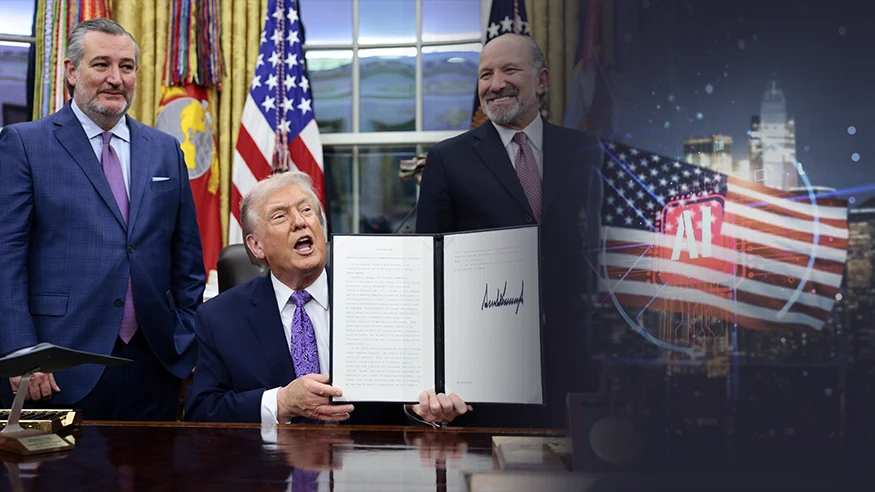
Trump and his supporters, in addition to promoting its integration into the government, as was done in the pilot of Medicare using AI in prior authorisation, are working to prevent the creation of curbs and guardrails by other parties. An executive order issued in December attempts to anticipate the majority of endeavours of states to regulate AI, outlining a race with competitors to dominate in a new technology revolution.
To achieve this, the order of Trump stated that to win, the United States AI companies should be allowed to innovate without being hindered by cumbersome regulation. But this imperative is destroyed by excessive state regulation.
States are in uprising across the country. A minimum of four states (Arizona, Maryland, Nebraska, and Texas) passed laws last year limiting the application of AI in health insurance. The bills were passed a year earlier in two other states, Illinois and California.
Rhode Island will make another attempt at a bill this year that requires regulators to gather information on the use of technology after the bill did not pass both houses in last year. In North Carolina, a bill that prohibits the use of AI by insurers as the sole reason behind a decision on the coverage has gained much attention among Republican lawmakers in the previous year.
Ready for Regulatory Oversight
It has been found that Americans are not trusting AI. In a December poll of Fox News, 63% of voters identify themselves as extremely or very concerned about artificial intelligence, with a majority of the political spectrum. Approximately two-thirds of Democrats and a little more than 3 in 5 Republicans expressed experiencing qualms about AI.
The strategies used by health insurers to keep the prices down also serve to upset the masses; according to a January survey by the KFF, people are extremely unhappy with such practices as prior authorisation. KFF is a nonprofit health information organisation that contains KFF Health News. As noted in reporting by ProPublica and other news outlets in recent years, there is apparently use of algorithms to decline insurance claims or prior authorisation requests almost instantly without much examination by a doctor.
In the previous month, the Ways and Means Committee of the House summoned executives of Cigna, UnitedHealth Group, and other large health insurers before attempting to deal with the issue of affordability. When confronted, the executives denied it or evaded the discussion of utilising the high-tech in declining authorisation requests or throwing out claims.
In California, some of the laws that regulate AI that Newsom has signed include those that force health insurers to make sure that their algorithms are applied fairly and equally. However, the Democratic governor has blocked others in a more general manner, like one containing more requirements concerning how the technology should be used and that it should reveal its usage to the regulators, clinicians and the patients when required to do so.
Newsome is attempting to make sure that financial spigot is not turned off, and in the same breath, he is trying to make sure there are some safeguards for California consumers, he said. He included insurers who feel they have been placed in an already welter of regulations.
The Trump administration appears convinced. The latest executive order of the president suggested suing and cutting down part of the federal funding of any state that implements what it termed as excessive state regulation, though there were exemptions, such as the exemption of policies protecting children.
It is arguably an unconstitutional ordert, according to Carmel Sharon of Harvard Law School, who is a health policy scholar. Such power to preempt is usually vested in Congress, she said, and federal legislators twice introduced but ultimately did not approve a measure prohibiting state interference with AI.
Other legislators take the order of Trump with a grain of salt, since the administration has been stripping away guardrails and, furthermore, is keen on ensuring that others cannot build them, to an excessive extent.